
Hollywood Bathroom Remodeling Hollywood and nearby cities
Bathroom remodeling in Miami Beach, Florida
Guidance for Miami Beach homeowners who want a bathroom that suits both daily life and occasional guests. It looks at seasonal use, condominium rules, moisture and how to plan with confidence.
 Hollywood Bathroom Remodeling
Warm design. Clear planning.
Miami Beach guidance
A bathroom that may sit empty part of the year
Many homes in busy coastal cities are lived in only part of the year, or are shared with visitors, family or tenants. That pattern changes the way a bathroom should be designed. A room that is used every day wants comfort and personal touches. A room that is used in bursts wants durability, easy cleaning and resilience to being closed up for long stretches.
When a bathroom sits unused, water in drain traps can dry out and let odors rise. Closed doors and shut windows can hold humid air. Surfaces that are left damp can grow mildew before anyone returns. None of this is dramatic, but it shapes smart choices, such as ventilation that runs on a timer, finishes that wipe clean and hardware that does not need constant attention.
This page is general guidance for homeowners in and around Miami Beach. It does not describe specific streets, buildings or neighborhoods, and it does not claim that we have worked in any particular place. It is meant to help you think through the room and arrive at a first conversation with useful questions.
If your home is also used by guests or renters, say so early. A bathroom that welcomes many different people needs clear controls, generous storage and a layout that makes sense at a glance. The guide on vacation home bathroom planning covers this thinking in more detail.
Planning for guests and different users
A guest cannot be expected to learn a complicated shower. Controls that are obvious, a temperature that is easy to set, a hook within reach and a place to put a bag or a phone all add up to a room that feels thoughtful. Think about the first minute a guest spends in the room and what they will look for.
Lighting matters here as well. Soft but clear light at the mirror, a gentle night light option and switches that are easy to find in the dark help people who do not know the room. A lit path to the toilet at night avoids a bright overhead glare.
Temperature is another guest detail. Nobody wants to wait for hot water in an unfamiliar bathroom, or to be surprised by a sudden change. Ask how far the water heater sits from the room and whether the shower valve is built to keep the temperature steady. Learning about your home's water delivery before planning helps you set realistic expectations, and the guide on water heaters and bathroom use explains the questions worth asking.
Non slip surfaces, a comfortable entry and a place to sit are friendly to people of different ages and abilities. These are planning ideas, not medical advice. The pages on guest bathrooms and accessibility planning describe how to build comfort into a layout from the beginning.
Storage for guests is its own small puzzle. A few empty drawers or a shelf set aside for visitors signals a welcome, and a basket of spare toiletries saves a trip to the hall closet. Towel hooks should be at a height that works for different people, and a mirror should show a full face without a guest having to stand on tiptoe. These details take little planning time and add real comfort, and they are easiest to arrange while the cabinet layout is still on paper.
Rental use and easy upkeep
If a bathroom is rented out, wear arrives sooner than in a private home. Surfaces must tolerate frequent cleaning, hardware must stand up to heavy use, and finishes should hide the small marks of daily life. Simple, durable choices usually outperform delicate ones. A finish that looks perfect on the first day but marks easily will show every visitor, so lean toward surfaces that look the same after many cleanings. Neutral colors also tend to age gracefully, and they let linens and accessories supply the personality.
Large format tile with fewer joints is easier to wipe. A shower with a built in niche leaves fewer items on the floor. A vanity with wipeable surfaces and drawers that close firmly handles everyday knocks. Hardware with a consistent finish simplifies replacement if something wears out.
The guide on rental property bathroom updates explores these ideas for owners who share their space. Whether you rent occasionally or all year, rules from your association or city may apply, so check what is permitted before you plan.
Think about replacement as well. When something chips or fails in a rental, you want to replace it without redoing the room. Choose tile, fixtures and hardware that are likely to remain available, and keep a few spare tiles and a record of finishes and sizes in a folder. That small habit keeps repairs consistent and prevents a patchwork of mismatched parts from creeping into the room over time.
Condominium buildings and their rules
Many bathrooms in dense coastal areas sit inside condominium buildings, which means the building has a say in how the work is done. Approval may be required before work starts. Hours may be limited. Deliveries may need to be scheduled, elevators may need to be reserved and common areas may need protection.
Each association has its own set of rules, and they change over time, so ask for the current version. Also ask about requirements for the floor, such as a sound layer beneath tile, and about who is responsible for damage to other units. Keep every answer in writing.
The service page on condo remodeling goes through the practical questions, and the planning page on permit and association questions offers a checklist.
If your unit sits above or beside others, share the plan with management early. Water, sound and vibration travel through buildings in ways that surprise people, and a leak during a remodel affects more than your own floor. Ask what protection is expected during demolition, what to do if a problem arises and who should be contacted. A clear emergency plan, written down before work begins, is a sign of a careful project.
Humidity, salt air and the materials that cope
A seaside climate asks a lot of a bathroom. Humid air keeps surfaces damp, and salt in the air attacks exposed metal. Together they test paint, caulk, grout, hardware and wood. Materials with low absorption, finishes designed for wet rooms and generous airflow make the difference between a room that stays fresh and one that struggles. Even small items such as shower curtain rods, hooks and mirror clips live in that air, so choose them with the same care as the large pieces.
Porcelain tile is a common choice for wet areas because it absorbs little water. Natural stone can be lovely but may need sealing and gentle cleaning. For walls, ask about moisture resistant backing behind tile and paint made for bathrooms elsewhere in the room.
The guide on choosing tile for a Florida bathroom compares options in plain language, and the guide on mold prevention in bathrooms explains the habits and design choices that keep growth in check.
One more point concerns grout and caulk. Grout joints are porous unless they are made from a more water resistant material or sealed, and caulk at corners and edges flexes and eventually needs renewal. These are the places where mildew shows up first. Ask what your remodeler uses in each location, how often it should be inspected, and what cleaning products are safe for it. Understanding these small materials saves a lot of frustration later.
Ventilation that works when nobody is thinking about it
In a room that is used irregularly, the fan should do its job without being remembered. A humidity sensing control or a timer that continues to run after the light goes off helps clear moisture automatically. Guests and tenants will not always run a fan on purpose, so an automatic approach is more reliable.
Size and ducting still matter. A fan that is too small cannot keep up, and a duct that is crimped or that ends inside an attic or wall leaves moisture in the home. Ask your remodeler to explain where the fan will discharge and how the duct will be run.
Think about where the fan is positioned relative to the shower and the door. If the fan sits near the door, it may draw fresh air from the hallway without clearing steam from the shower. If it sits above or near the shower, it removes humidity where it is produced. Sometimes a second fan or a larger unit suits a bigger room. A remodeler can look at the shape of your ceiling and the route available for ducting and suggest a layout that fits.
Read more about the options on the page for bathroom ventilation fans. Poor airflow shows up first as a stale smell and foggy mirrors.
Showers, glass and the look people remember
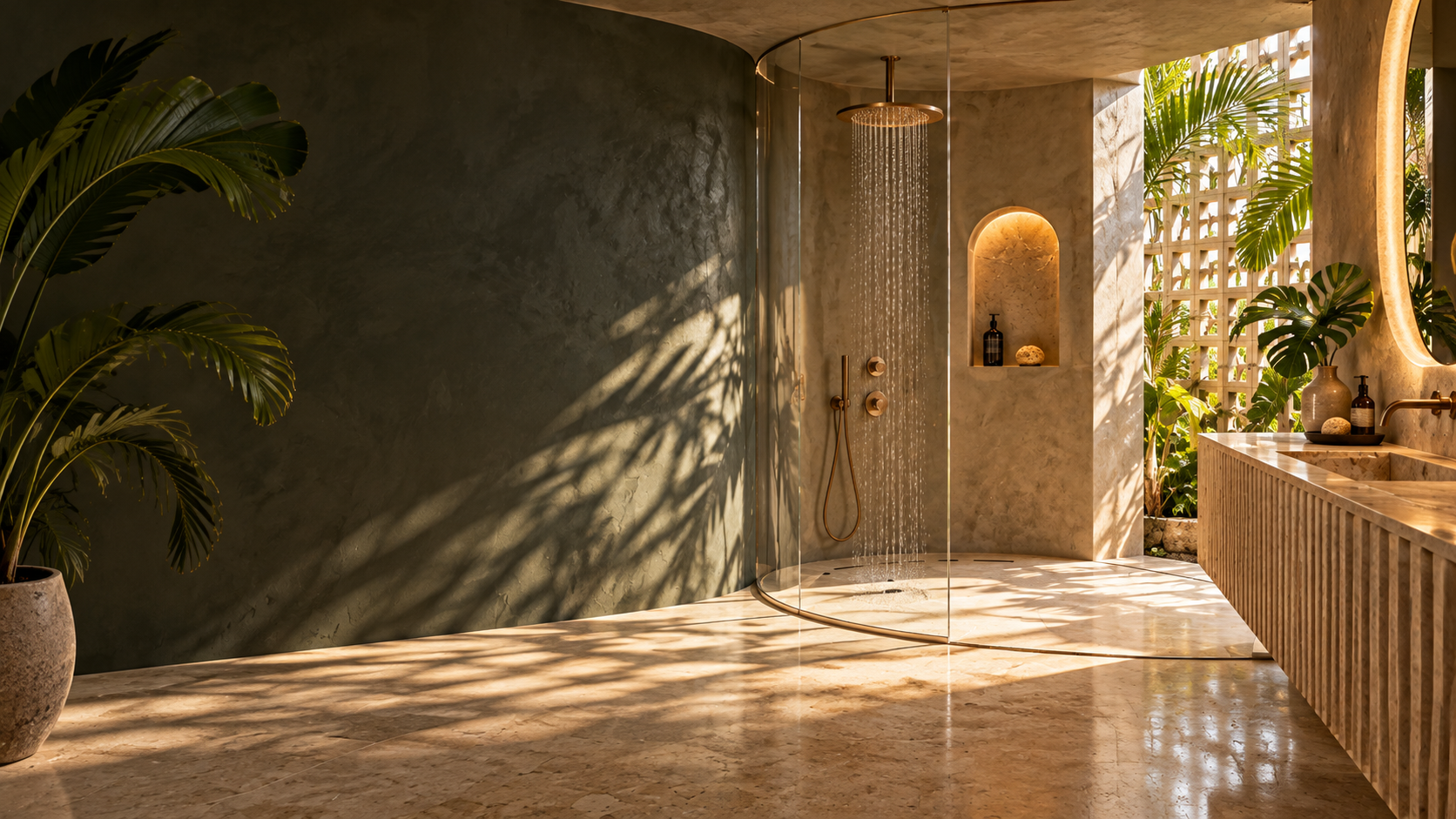
A shower is usually the feature guests notice. Clear glass opens the room, a bench adds comfort, and a niche keeps the shower tidy. Fixtures should be simple to use and finishes should be consistent with the rest of the room.
Glass requires attention to measurement and hardware. Frameless designs are popular and look sleek, but they depend on solid walls and a well built curb. Water can escape where glass meets the floor and walls, so ask how the edges will be sealed and how the door will swing.
Think also about how the shower is used. A fixed overhead head gives a generous spray, while a handheld unit makes rinsing the walls and bathing a child easier. A thermostatic valve helps keep the temperature steady for guests who are not used to the controls. Mixing these features in a thoughtful way gives you comfort in daily life and a room that feels easy for visitors, without making it complicated to operate or to clean.
The comparison of frameless and semi frameless glass helps you decide how much maintenance you are happy with.
Permits, cities and storm season
Whether a bathroom project requires a permit depends on its scope and on your city. Cosmetic updates are treated differently from work that moves plumbing, alters walls or changes electrical circuits. Ask your city building department what applies and write down the answer.
South Florida homeowners also plan around hurricane season. A remodel opens parts of the home, and it is wise to discuss how materials and work areas would be protected if a storm were forecast. If the home is empty part of the year, decide who will be there to secure it.
The planning page on hurricane season bathroom remodel planning offers practical questions to ask before any schedule is set.
Keep in mind that deliveries and inspections also depend on conditions beyond anyone's control. A thoughtful remodeler explains how a pause would be handled, how stored materials would be protected and what a safe stopping point looks like. Ask your insurer how an active project is treated under your policy. These questions are not a reason to postpone a remodel, only a reason to plan it with the climate in mind.
Planning from a distance
If you do not live in the home full time, a remodel can still run smoothly with the right habits. Choose selections carefully before work begins, so decisions do not wait for you to travel. Keep one point of contact who can open doors, accept deliveries and answer questions.
Photographs and clear written summaries are valuable when you are not on site. Ask for updates at defined stages and keep every decision recorded. A short call at the end of each stage can reveal a concern early.
Think about what happens at the end. A final walkthrough, done together or by video, lets you check the work against the plan, test the fixtures and note anything that needs adjustment. If you cannot attend, appoint someone you trust and give them the list of selections so they know what to look for. Keep the paperwork for fixtures, finishes and care instructions together, because it is useful when something needs service years later.
The planning pages on the bathroom selections schedule describes how decisions are organized from the first choice to the last.
How we would start together
Hollywood Bathroom Remodeling begins with a real conversation. We ask how the room is used, who uses it and what you want to change. Then we plan the layout, wet areas, materials, storage, lighting and fixtures, and we refine your selections before construction begins.
You do not have to have every answer. A few photos, a sense of how often the home is used and a description of what frustrates you are enough to begin. We will help organize the rest. Our approach is to talk first, plan carefully and make selections before construction starts, so that the work itself is calm and the choices are yours.
If you are weighing whether to update only the shower, the vanity or the whole room, we can talk through how those decisions connect. Often a smaller change reveals that another part of the room should be addressed at the same time, and sometimes it shows that a modest update is all that is needed. Honest conversation about priorities is worth more than any single product choice.
For neighboring places, you may also want the page for Surfside.
Before you call, it can help to jot down three things: the single biggest annoyance in the room, the one feature you would love to add, and the one thing you want to keep exactly as it is. Those three notes tell a remodeler more about your priorities than a long wish list does, and they make it easier to decide where effort should go first. They also give you a simple way to judge any plan that is proposed.
Good to know
Common questions
Does a seldom used bathroom need special planning?
It benefits from a few extra choices. Automatic ventilation, durable and easy to wipe surfaces, and a plan for keeping drain traps filled help a room stay fresh between visits. Tell your remodeler how often the home is used, so these details are built into the plan. Mention long absences in particular, because they affect how the fan, the drains and the surfaces should be planned for the weeks when nobody is home.
How should I think about a bathroom for guests?
Think about the first minute a guest spends there. Controls should be obvious, light should be clear and gentle, storage should be visible and the shower should be simple to use. Comfort and clarity matter more than novelty in a room that people use without knowing it.
Will my building let me change the layout?
That depends on the building, the structure and the association. Some rules limit plumbing relocation, floor changes or working hours. Ask the association what is allowed before you commit to a layout, and share the answers with your remodeler so the plan respects them. If the answer is not clear, ask for it in writing, since verbal impressions tend to shift by the time work is scheduled.
Which finish holds up near salt air?
No finish is perfect, but durable constructions, consistent materials and gentle cleaning help. Ask about how a finish is made, how it ages in humid, salty air and what care it needs. A remodeler who has seen fixtures age in coastal conditions can offer useful perspective.
Can I manage a remodel from out of town?
Many people do. Settle selections before work begins, name a point of contact on site, and ask for updates and photographs at defined stages. Clear written decisions and a final walkthrough help ensure that nothing is missed when you cannot be present every day.
Is a shower or a tub better for a rental?
It depends on who stays. A well designed shower suits most visitors and is easier to keep clean, while a tub may appeal to families with children. Consider your guests, your space and what your association allows before deciding, and talk the choice through with a remodeler.
Your bathroom starts with a conversation