
Hollywood Bathroom Remodeling Hollywood and nearby cities
Choosing tile for a Florida bathroom
Tile is the first thing people notice and the last thing they should choose in a hurry. This guide explains how humidity, grip underfoot, tile size, grout joints and upkeep affect which tile suits floors, walls and showers in a South Florida home.
 Hollywood Bathroom Remodeling
Warm design. Clear planning.
Tile guide
Why tile choices feel different in Florida
A bathroom in Broward County lives with warm, moist air for much of the year. Showers leave the room humid, windows are often kept closed because of air conditioning, and coastal air carries moisture into every corner of a home. Tile is a natural fit for this climate because it does not soak up water the way many other finishes do.
That does not mean every tile behaves the same. Some are dense and nearly impervious, and some are softer, more textured or more porous. Some look wonderful on a wall and become slippery on a floor. A few need sealing and regular care, while others need nothing more than a wipe. Choosing well means matching the tile to the job it has to do.
Think of tile as a system rather than a single product. The tile, the grout, the setting material underneath and the surface below all work together. A beautiful tile on a poorly prepared surface will crack or loosen, and a plain tile on a well prepared surface can last a long time. This guide focuses on the choices you make, while the tile setter handles the method.
It also helps to remember that tile is a long term decision. A paint color can be changed on a weekend, but tile is set into the room and removing it is disruptive. Taking extra time on the choice is almost always worth it, and showing samples to the people who share the bathroom helps avoid regret later.
Floor tile and wall tile do different jobs
Floor tile has to carry weight, resist scratches and give your feet some grip when wet. Wall tile mostly has to look good and resist moisture. Because of this, many tiles are made for one use only, and the packaging or specification sheet will usually say so. It is worth asking whether the tile you love is suitable for floors, walls or both.
A tile that is intended for walls can chip or crack if used on a floor. A tile intended for floors can be heavy and hard to hang on a tall wall. Many homeowners choose a related pair, a floor tile and a wall tile in the same color family, so the room feels connected without forcing one tile to do everything.
Shower floors are a third category. They need a surface that works with the slope toward the drain and gives good traction. Smaller tiles bend more easily around that slope, and that is one reason you often see mosaics or small format tiles on shower floors. Our page on tile installation explains how these surfaces are set.
Slip resistance and safe footing
A wet bathroom floor is one of the most common places for a slip at home. The surface of the tile matters a great deal. Polished, glossy tiles can feel glassy once they are wet, while textured or matte finishes tend to give more grip. Ask your supplier for the slip resistance information that goes with each tile and compare options rather than guessing from a photo.
Texture is a balance. Very rough tile grips well but can be harder to clean and uncomfortable on bare feet. A softly textured or matte tile often gives a good middle ground. Smaller tiles add more grout lines, and grout lines themselves add a bit of traction, which is another reason small mosaics are popular on shower floors.
Think about who uses the room. Children, older adults and anyone who has had a fall deserve extra care. If safe footing is a top concern, read our aging in place bathroom ideas for other planning thoughts. This is planning guidance for the room, not medical advice.
- Choose a matte or lightly textured finish for floors and shower bases.
- Ask for the slip resistance information that goes with every floor tile you consider.
- Walk on a sample with bare feet, and try it dry and with a little water on it.
- Remember that grout lines add grip, so very large tiles on shower floors need extra thought.
Design inspiration and careful preparation.
Tile size and what it means for grout joints
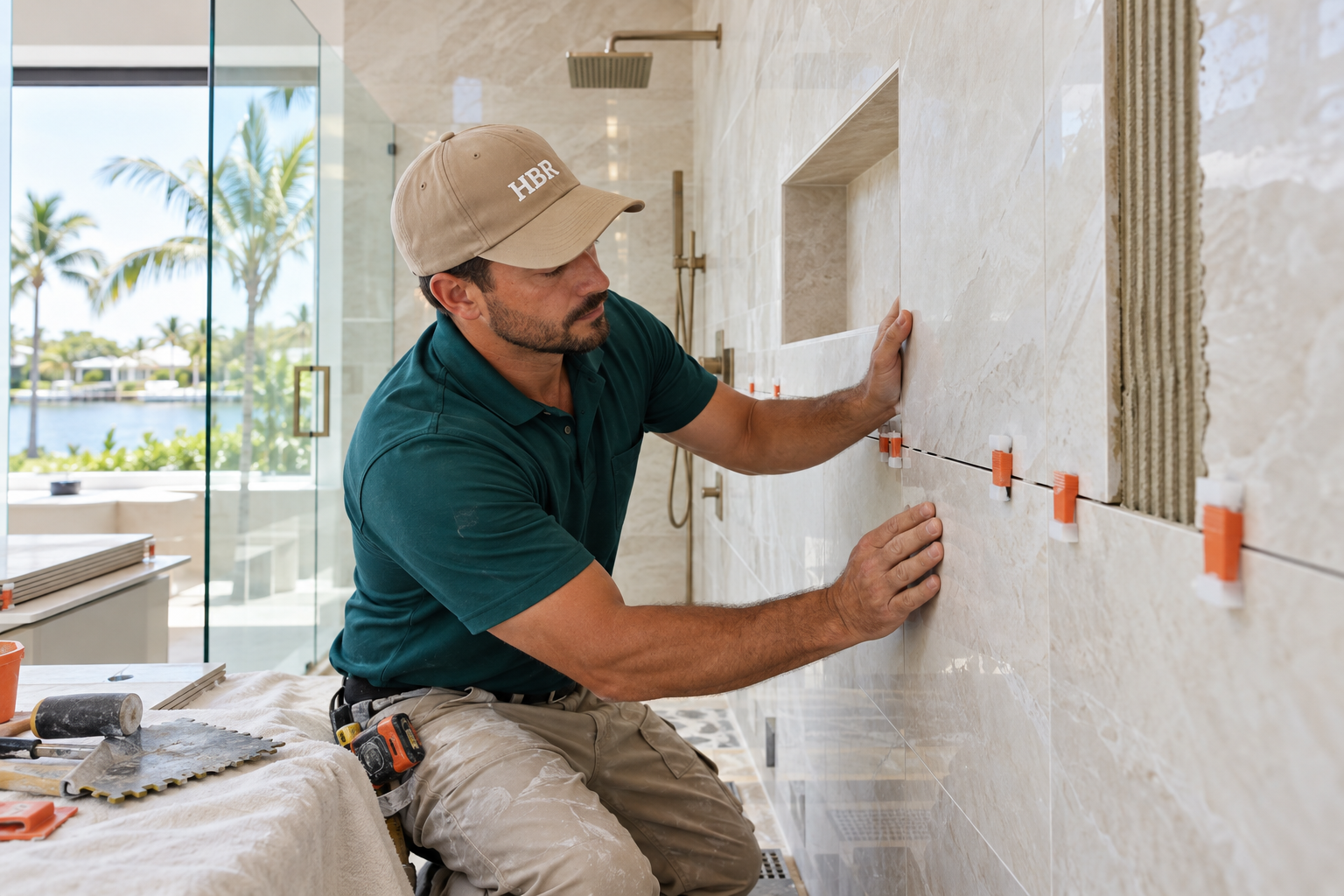
Tile size changes how a bathroom looks and how it is cleaned. Small tiles, such as mosaics, create many grout joints, which can look charming and give traction. Medium tiles balance the two. Large format tile creates fewer joints, giving a calm, seamless look and fewer lines to scrub over time.
Large format tile also asks more of the surface below it. The wall or floor needs to be flat, because a large tile cannot bend around a dip the way a small tile can. A slight hump can cause lippage, where one tile edge sits higher than its neighbor. That is a preparation issue, and it is worth asking your installer how flatness will be checked.
Grout joints matter even on large tile. Narrow joints look clean, but they leave little room for slight differences in tile size. Slightly wider joints are more forgiving and are often easier to keep straight. Your tile setter can tell you what joint width suits the tile you picked, and the manufacturer will often give a recommended range.
Edges deserve a thought here as well. Where tile ends in the open, such as at the edge of a wall or around a niche, a trim piece or a finished edge tile gives a neat line. Different trim shapes and metals are available, and picking one early lets the layout account for it instead of squeezing it in at the end.
Grout, caulk and the lines that move
Grout fills the spaces between tiles, but it is not the answer to every gap. Where a wall meets a floor, where two walls meet in a corner, or where tile meets a tub or a countertop, the surfaces can move slightly. Those spots are normally finished with flexible caulk made for the purpose, not hard grout, so they can flex without cracking.
Grout color changes how the whole room reads. A grout that matches the tile blends in and shows the tile as one surface. A contrasting grout draws a pattern and shows every line, which can be striking and also reveals any slight misalignment. Lighter grout can show stains over time, and very dark grout can show soap film and mineral residue.
Ask what kind of grout is used and how it should be cared for. Some are cement based and need sealing, and others are made to resist stains without that step. Neither is wrong, but each comes with different habits. Whatever you pick, plan to clean it gently and regularly, since steady care keeps humid rooms looking fresh.
Large format tile and layout
Large format tile can make a bathroom feel bigger, but the benefits depend on the layout. A tile that is much larger than the shower wall may need to be cut awkwardly. A floor that is not square can leave thin slivers of tile along one edge. A plan on paper, with the tile size drawn to scale, will reveal these problems before anything is cut.
Think about where the cuts will fall. Ideally the tile that meets a wall at the edge is not a tiny sliver, and patterns line up from the floor through the shower and onto the wall. Some homeowners ask for the floor and wall joints to align, which gives a very orderly look but needs careful planning because rooms are rarely perfectly square.
Pattern changes the story too. A straight stacked layout feels modern and orderly. An offset layout adds rhythm and hides small differences. A herringbone or a diagonal layout adds interest and uses more material because of the additional cuts. Your installer can show you how a pattern will sit in your actual room rather than in a catalog photo.
Think also about how the bathroom will be used day to day. A busy family bath with several users will collect splashes and fingerprints, while a quiet guest bath may stay tidy for weeks. Match the tile to the reality of your household rather than to an ideal, and the room will feel easier to live with.

Human from the beginning
A bathroom should fit the people who use it.
We start with the everyday questions: What feels crowded? What is difficult to clean? Where do you need more storage? What would make mornings easier? Those answers help turn a collection of materials into a room that feels natural to live with.
Tell us about your bathroomMaintenance, honestly considered
Every tile requires some cleaning, and your daily habits should guide the choice. If you know the shower will be wiped only occasionally, favor tile with fewer grout lines and a finish that does not show water spots. If you enjoy keeping things spotless, a more decorative option may be a pleasure instead of a chore.
Natural stone is beautiful and carries a lot of character, but it often asks for sealing and gentle cleaners. Porcelain and ceramic generally need less. Glass tile can look luminous but may show every smudge. None of these is the right answer for everyone, which is why it helps to ask your supplier exactly how each one is cleaned and what to avoid.
Cleaners deserve a mention. Harsh products can dull some finishes or damage sealers, and mixing certain cleaners is never a good idea. Read the care guidance that comes with your tile and grout, and keep a short note on what to use. A bathroom that is cleaned gently and often will look newer for longer.
Tile is not waterproofing
This is one of the most important points in the guide. Finished tile and grout look watertight, but grout is porous and tiles have joints, so water can find its way through over time. A shower stays dry behind the wall because of the layers installed under the tile, not because of the tile itself.
That is why tile selection and waterproofing are planned together. The slope to the drain, the curb, the corners and any niche are built and protected before any tile goes on. If you are curious about what those layers are, read shower waterproofing explained in plain language, which describes the idea without technical jargon.
When comparing proposals, make sure you know what is included under the tile. A lovely tile choice is only part of the investment. The preparation underneath is what protects the walls, the framing and the rooms next door from moisture, and it deserves as much attention as the surface that everyone sees.
Sunlight matters too. A bathroom with a window gets daylight that changes through the day, so a glossy tile might sparkle in the morning and glare in the afternoon. A windowless room depends on its fixtures, and a matte tile can feel soft and steady under them. Looking at samples in both settings avoids surprises.
Coordinating tile with ventilation and humidity
Even a beautiful tile cannot make up for a damp room. If steam hangs around after a shower, grout will darken sooner, paint will blister and mildew will show up on ceilings and in corners. A properly sized exhaust fan, used regularly and vented outdoors, protects every surface you choose.
Plan the fan with the same care as the tile. Decide where it will go, how it will be controlled and how long it runs after a shower. Some homeowners prefer a timer or a humidity sensing switch so that nobody has to remember. You can learn more in our guide on ventilation and humidity in Florida bathrooms.
Also think about surfaces around the tile. Paint in a bathroom should be made for humid rooms, and trim should be chosen to handle moisture. A thoughtful tile choice sits inside a room that has been planned to cope with Florida air from top to bottom.

Recognizable when we arrive
The Hollywood Bathroom Remodeling van and team.
Consistent branding helps homeowners know who is arriving. The same organized presentation continues inside the project, from room protection and tools to the materials and details discussed before work begins.
See our processMatching tile to the rest of the room
Tile should work with the vanity top, the fixtures, the lighting and the paint. Bring samples into the room and lay them next to each other. Look at them in daylight and in the evening with your actual lights on, since a warm light can shift colors and a cool light can flatten them.
Keep the palette calm. A room with a bold floor, a patterned wall and a busy countertop can feel noisy. Many successful bathrooms use one statement surface, such as a feature wall in the shower, and keep everything else quiet. This also lets future changes, like new towels or art, stand out without clashing.
Think about continuity as well. Running the same floor tile into a curbless shower or carrying a wall tile through a niche creates a flowing look. Our page on custom showers and frameless glass shows how tile and glass can work together, and our flooring page covers the floor surface across the room.
Keep notes on each sample you try, including what you liked and what bothered you. After a week the notes will reveal a pattern, and the choice often becomes clear on its own. If it does not, narrow the list to two and ask for another opinion from someone who will use the room.
How to narrow down choices without feeling lost
Start by choosing the function of each surface, then the finish, then the color. Ask for samples, not just photos. Order two or three candidates for each area and put them in the actual bathroom for a few days. You will often discover your favorite is not the one you expected.
Bring your questions to a conversation instead of trying to solve them alone. A good installer can tell you how a tile will cut, how it will behave around corners and whether your walls can handle its size. That advice is easier to use when you already know your priorities. Our bathroom remodel planning checklist can help you set them.
When you are ready, you can request an estimate and tell us which rooms you want to tile and which surfaces matter most. Bring photos of what you like, even if you cannot yet say why. Those images often reveal a style more clearly than words, and they make the planning conversation easier for everyone.
Good to know
Common questions
Is porcelain or ceramic better for a Florida bathroom?
Both can work well. Porcelain is generally denser and often chosen for floors and wet areas, while ceramic is common on walls. The right pick depends on the specific tile, its stated use and your upkeep habits. Check the manufacturer information for each product you like, and ask your installer what suits your room.
Can I use the same tile on the floor and the wall?
Sometimes, if the tile is made for both uses. Many tiles are intended for only one. A matched pair, one tile for the floor and a related one for the wall, is a common way to get a unified look while using each for the job it was designed to do.
How do I avoid a slippery bathroom floor?
Choose a matte or lightly textured finish, compare slip resistance information, and test samples with bare feet. Smaller tiles have more grout lines, which add traction, and that is why they are popular on shower floors. Keep the floor clean, since soap film can make surfaces slick.
Does large format tile make a bathroom look bigger?
It can, because fewer joints create a calmer surface. It also needs a very flat substrate and careful layout planning so cuts fall in the right places. Ask for the layout to be drawn to scale before you commit, especially in small or irregular rooms.
Do I need to seal my grout?
It depends on the type. Cement based grout often benefits from sealing, while other types are made to resist stains without it. Ask what is being used on your project, how it should be cared for, and which cleaners to avoid. Gentle, regular cleaning protects any grout in a humid room.
Is finished tile the thing that keeps water out of the wall?
No. Tile and grout are the finish. Water protection comes from the layers installed behind and beneath the tile, along with correct slopes and careful work at corners, curbs and niches. This is why waterproofing is planned together with tile selection and should be discussed before you choose a surface.
Your bathroom starts with a conversation