
Hollywood Bathroom Remodeling Hollywood and nearby cities
Matte versus glossy bathroom tile: how finish changes light, grip and cleaning
The same tile in two finishes can feel like two different materials. Glossy bounces light and shows every mark, while matte softens the room and grips better underfoot. Here is how to choose where each belongs.
 Hollywood Bathroom Remodeling
Warm design. Clear planning.
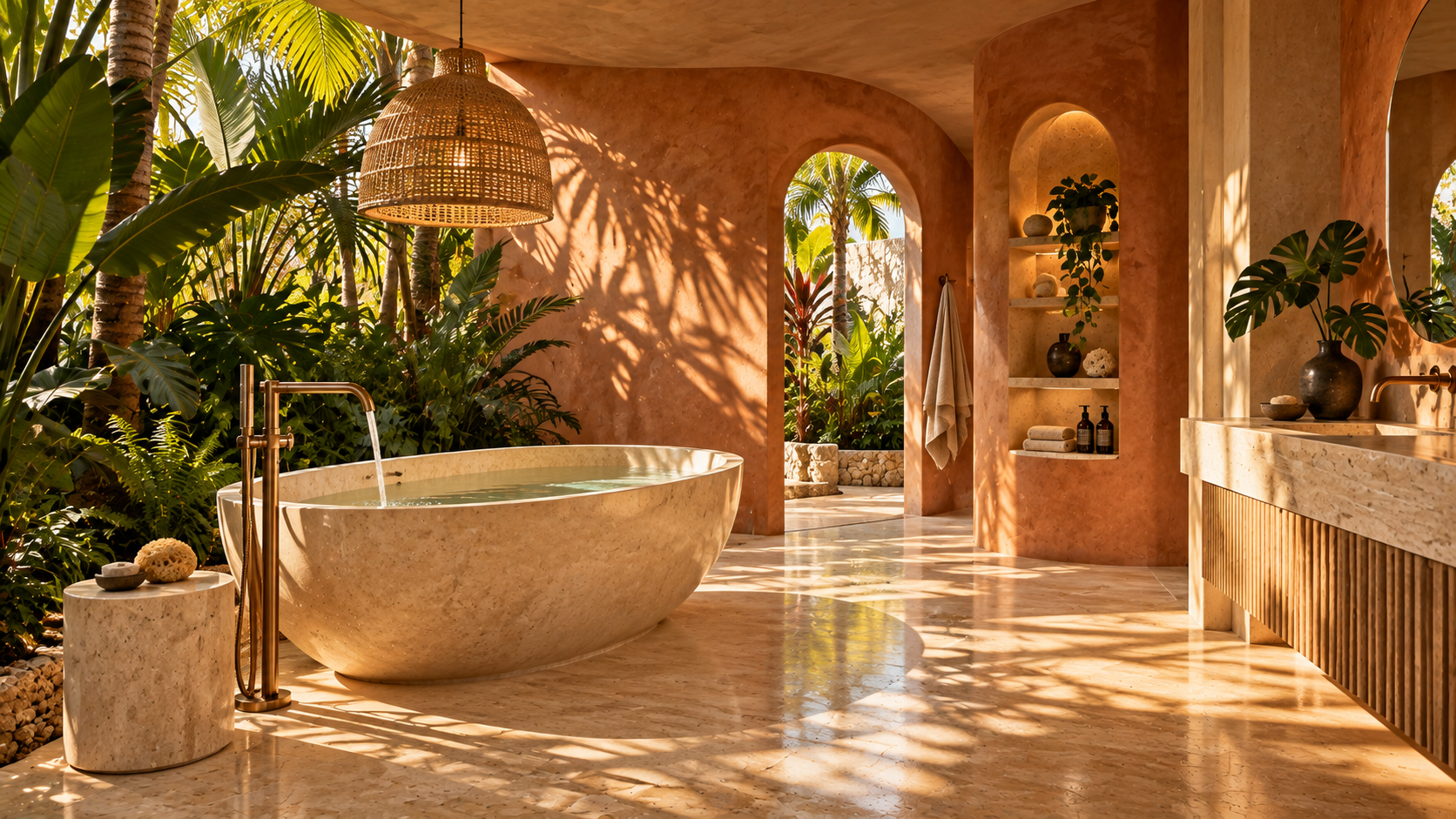
Tile finish comparison
Finish is not the same as color
When people pick tile, they usually start with color, size and pattern, and finish arrives as an afterthought. Yet finish changes more than most owners expect. The very same glaze color can look deep and wet in a glossy version and soft, flat and calm in a matte one, and the room around it changes with it.
Gloss describes how much light a surface reflects in a mirror like way. A glossy tile has a smooth, shiny glaze that bounces light back at you. A matte tile has a surface that scatters light in many directions, so it looks softer and does not show reflections. Between the two sit satin, honed and lightly textured finishes that behave like blends of both.
This page compares the two ends of that range for bathrooms in practical terms. It is a planning guide, and your remodeler or tile supplier can show you actual samples. Remember that a small sample in a showroom behaves differently from a whole wall of tile in your own light, so use these ideas to decide what to look for.
It also helps to separate two questions that people tend to blur together. The first is what looks good, and the second is what works well. Looks are personal, and you should follow your own taste. Performance, such as grip underfoot and how a surface copes with constant moisture, is more objective, and it should guide where each finish is allowed in the room before taste decides the rest.
How each finish handles light
Glossy tile makes a bathroom brighter. By reflecting window light and fixtures, it spreads illumination around the room and can make a small space feel larger and more open. In a windowless bathroom or one with limited natural light, a glossy wall tile can be a real help.
The same quality has a downside. Reflections can produce glare, particularly from bright fixtures directly in front of or above a tiled wall. A glossy surface also acts like a mirror for imperfections, so uneven walls and slightly off flat tile show more clearly as wavy reflections.
Matte tile absorbs and scatters light, so the room feels softer and more restful. It forgives uneven surfaces and does not create bright hot spots. If you want a spa like calm atmosphere, matte is a natural choice. Lighting plays a big role either way, and our guide to bathroom lighting layers explains how to match light to finish.
A simple test makes the difference clear. Hold a sample against the wall, switch on the light you plan to use and move your head side to side. A glossy sample will flash and change as you move, while a matte one stays steady. If the flash bothers you in a mock up, it will bother you every day in the finished room, and that single test saves many second thoughts.
Window position matters here. A glossy wall facing a window throws bright patches across the room as the sun moves, while the same wall in a matte finish stays even through the day. If your bathroom has a skylight or a large window, view samples near it at different hours before deciding.
- Glossy tile reflects light and can brighten a dim room.
- Glossy surfaces can create glare and show wall irregularities.
- Matte tile scatters light and gives a softer, calmer look.
- Lighting position and color temperature change how both finishes read.
Grip and slip resistance underfoot
Grip is the most important practical difference on the floor. A glossy glaze is smooth, and when it is wet it can be slippery, which is why polished floor tile in a bathroom or shower deserves caution. Matte and textured finishes provide more friction and are the usual choice for floors in wet areas.
Floor tile is typically tested by manufacturers for slip resistance, and a product description may mention a rating or suitability for wet areas. Ask your supplier whether the tile is suitable for the bathroom floor and for the shower floor, and rely on guidance from the manufacturer rather than appearance alone. Surface texture, tile size and grout joints all contribute to how a floor feels.
Smaller tile has more grout lines, which add grip, and that is one reason mosaics are so common on shower floors. Larger tile with a smooth finish has fewer joints and less friction. Our page on mosaic and patterned floors explains how pattern and joint choices affect safety and look, and bathroom flooring covers the wider picture.
Remember that wet feet change everything. Soap, shampoo and body oils make any floor more slippery than clean water does, so the finish you test in a showroom is not the finish you will meet in a lathered shower. That is another argument for choosing a grippy floor and leaving the high shine for the walls. If anyone in the household is unsteady on their feet, mention it early so the whole floor plan, including mats and thresholds, can reflect it.
Fingerprints, water spots and daily marks
Glossy tile shows marks. Fingerprints, water spots, soap film and dust all stand out on a shiny surface, especially a dark one. A glossy wall near a doorway or a vanity, where hands touch it often, will need regular wiping to keep its shine.
Matte tile hides many of these marks but not all. Oils from skin can leave a dull patch on some matte glazes, and soap residue and mineral deposits can show as a haze. Very textured matte surfaces can also hold dirt in their texture, which makes cleaning more of a scrub than a wipe.
The color matters as much as the finish. A mid tone, softly mottled surface in either finish hides marks well, while solid black or deep navy glossy tile shows nearly everything. If you love dark tile, plan for a squeegee and regular wiping, or choose a matte version. The page on hard water spots and buildup explains why mineral marks show up where they do.
Handling matters at the install stage too. Dark glossy tile can reveal tiny scratches, chips and smudges left during setting, so careful cleaning of the surface before grouting is essential. Matte tile can trap grout haze in its texture if the haze is not removed at the right time. These are craft details, and they are a good reason to ask a remodeler how they protect and clean each finish during installation.
Cleaning and upkeep in a wet room
Smooth glossy glazes are generally easy to clean, since there is nothing for dirt to grip. A soft cloth and a mild cleaner usually restore the shine. The glaze itself is not the issue, since the real maintenance in any tiled bathroom is the grout and the caulk at the joints.
Matte tiles and textured finishes need a bit more effort. A soft brush may be needed to clean the texture, and some matte glazes can show scratches or scuffs from abrasive cleaners. Check the cleaning guidance from the manufacturer and avoid abrasive pads unless the maker says they are safe.
In both cases, the grout lines are the maintenance centre of the surface. A resistant grout, properly sealed where needed, keeps either finish looking fresh. Our guides on grout and sealer and caulk versus grout explain how these materials behave and where each belongs.
Cleaning products and habits matter as much as the finish. Strong acids and harsh abrasives can dull glazes, harm grout and damage metal trim, so a gentle product used regularly beats a harsh product used rarely. Hang a squeegee in the shower, wipe the glass and walls after use, and run the fan. A few seconds a day does more for a tile finish than a monthly scrubbing session ever will.
Where each finish tends to work
Glossy tile is a classic choice for shower walls and for wall areas away from heavy traffic. It looks clean and bright, shrugs off water and wipes easily. It is also a favorite for backsplashes and for accent bands that you want to catch the light.
Matte tile is the usual choice for floors, especially in showers and wet areas, because of the grip. It also suits walls when you want a quiet, modern look or when a room has strong lighting that would cause glare on a glossy surface. Many designers use matte on floors and glossy on walls to get both grip and brightness.
A mix of finishes within the same color family is a common technique. A glossy wall tile with a matching matte floor tile ties the room together while giving each surface what it needs. Our guide to bathroom tile sizes and layouts and the page on tile installation show how these choices come together.
Wall height is another variable. Some owners tile only the wet zone in a glossy finish and use paint above, while others run tile to the ceiling. A glossy tile that rises all the way up will dominate the room's brightness, and a matte tile that rises to the ceiling will make it feel cocooned and quiet. Think about how much tile you want to see and how far up the finish should travel.
Humidity, condensation and South Florida rooms
Humidity affects how a bathroom looks and feels, and finish plays a part. In a damp room, glossy surfaces collect visible condensation that streaks and runs, while matte surfaces hold moisture less visibly. Neither finish changes how humid the room is, but they change how much you see it. During hurricane season, when windows stay shut and the air conditioning may be off for a while, that visible moisture can last longer, and a finish that dries evenly looks tidier through the wait.
Good ventilation is the real answer. A well sized exhaust fan that runs during and after showers lets surfaces dry, whatever their finish. The guide to ventilation and humidity in Florida bathrooms explains why airflow is central to a lasting bathroom.
Salt air near the coast leaves a faint film on many surfaces over time, and it shows more on glossy and dark finishes. If your home is close to the water, plan for a regular wipe down and consider mid tone, softly textured tile in areas that are hard to reach. These are general observations, and the conditions in your own bathroom will shape the right finish for you.
Appearance, mood and the shape of the room
Glossy tile creates a bright, clean, sometimes glamorous mood. It pairs well with polished chrome, glass and mirrors and suits bathrooms that want to feel crisp and luminous. In a long narrow room, reflective walls can help bounce light along the length.
Matte tile creates a grounded, organic mood. It pairs well with wood tones, brushed metal and plants, and it suits bathrooms that want to feel like a retreat. Large matte tiles with narrow joints can give a calm, almost stone like presence. Satin finishes split the difference nicely, offering a gentle sheen that is easier to live with than full gloss and a little more cheerful than flat matte. If you cannot decide, ask to see the same tile in satin.
Consider the other materials in the room. A glossy tile beside a high gloss vanity can feel like too much shine, while a matte tile beside a matte vanity can feel flat. Metal finishes join the conversation as well, since polished chrome beside glossy tile doubles the sparkle, while brushed or matte fixtures calm it down. Decide on the overall level of shine you want and let each material take its share of it. Contrast helps, so many successful rooms pair one glossy and one matte surface. Try the idea on paper first: lay your tile, vanity face and floor samples next to each other and look at the group from across a room, not from a few inches away. A pairing that works at arm's length can fall flat from the doorway, and the doorway is where you will see it most. Think about how finish and color interact before you commit to either one.
Edges, trim and finishing details
Tile edges are visible in both finishes, but they behave differently. Glossy tile often shows a clear edge line and any chips along it, while matte tile can hide small imperfections. Trim pieces, bullnose edges and metal profiles all need to match the finish of the field tile or contrast with it intentionally.
Because finish and glaze differ between manufacturers, ordering trim from the same line as the main tile is important. A trim piece that is slightly glossier or duller than the field tile looks mismatched, even when the colors agree. Check that every piece you order comes in the finish you chose, and ask that the order be confirmed in writing, since a mismatch discovered after delivery is a frustrating delay for everyone involved.
Our guide to bathroom tile edges and trim explains the options, and the page on tile versus solid surface shower walls shows how finish plays into the larger choice of wall system.
Choosing with samples and a plan
Bring home full size samples if you can, and look at them wet and dry, in morning and evening light, and from the angle you will actually see them. Tape a sample on the wall and run a finger across it. Spill a bit of water on a floor sample and step on it with a bare foot, as safely as you can, to feel how it behaves.
Think about who uses the room. Children, older family members and guests all have different needs, and a floor that feels perfect to a young adult may not feel the same to someone less steady. Accessibility planning is a broad subject, and this page does not give medical advice. Our accessibility planning page describes how remodelers approach it.
A conversation about how the room is used comes first, and a plan for layout and materials follows. Homeowners in Hollywood and nearby cities can use this page as general guidance before choosing tile with a remodeler.
Good to know
Common questions
Is matte tile always safer on a bathroom floor?
Matte and textured finishes generally provide more grip than polished ones, but tile varies by product and size. Ask the supplier whether a specific tile is suitable for wet floors and follow the guidance from the manufacturer. Smaller tile with more grout lines also adds traction.
Does glossy tile make a small bathroom look bigger?
It often helps, because the reflective surface bounces light around the room. In a windowless bathroom this can be a real benefit. Be aware of glare and of how it shows wall unevenness, and pair it with well placed lighting.
Which finish shows fingerprints and water spots more?
Glossy tile shows them most, especially in dark colors. Matte tile hides many marks but can show oil patches and soap haze. A mid tone, softly mottled tile hides marks well in either finish. A squeegee helps in showers.
Can I use glossy tile on walls and matte on the floor?
Yes, and it is a common approach. Glossy walls bring brightness while matte floors give grip. Match color families and ask for trim pieces in the right finish so the two surfaces feel like they belong together.
Is matte tile harder to clean?
It can be, if the surface is deeply textured, since dirt gets into the texture. Smooth matte glazes clean easily. Follow the cleaning guidance from the manufacturer and avoid abrasive pads unless they are approved for that tile.
Does the finish change how well grout holds up?
Not directly, since grout is a separate material. Maintenance depends on the grout type, sealing where needed, and ventilation. Both finishes need the same attention to joints. A resistant grout and a good routine keep either surface looking fresh.
Your bathroom starts with a conversation